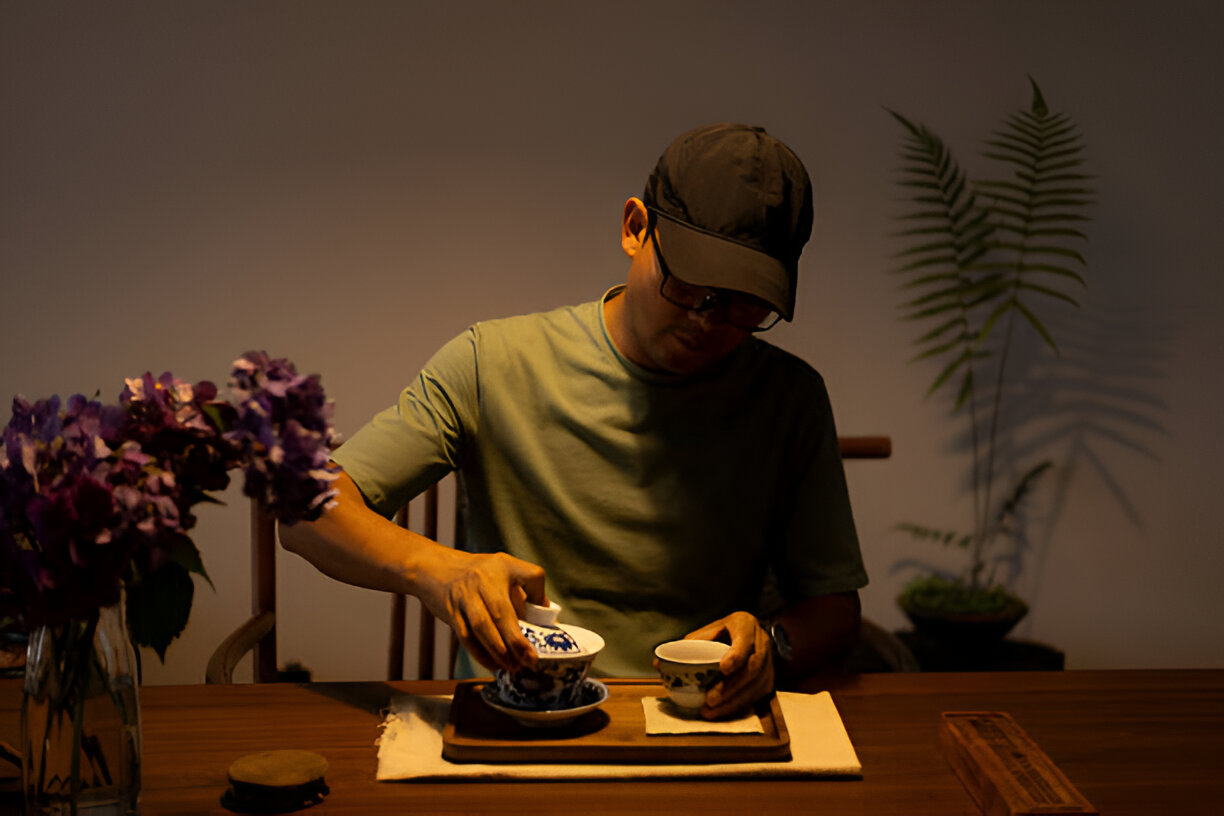
Tea has been a part of human life for thousands of years, and every culture has its own way of preparing and enjoying it. When people think about tea, they often imagine green tea, black tea, or herbal infusions. However, there is another type of tea that holds a very unique place in history and tradition. This tea is different because of its long process, deep flavor, and cultural importance. People across the world have started to show great interest in it, as it brings not only a pleasant taste but also a rich story. In many countries, it is considered a treasure because it connects people to ancient traditions. At the same time, it also matches modern lifestyles, where health and mindfulness are valued. Therefore, it is not just a drink but also an experience that combines taste, history, and wellness in every cup. By learning more about it, one can understand why it is admired so much. In the next sections, we will explore its origins, benefits, and the way it is enjoyed today. This journey will show why it remains one of the most respected teas in the world.
The History Behind Pu Erh Tea
Every tea has a story, and the story of pu erh tea is one of the oldest. This tea comes from Yunnan, a beautiful province in China, known for its mountains and misty forests. Long ago, it was carried along the ancient Tea Horse Road, where it was traded for horses, salt, and other goods. People discovered that the tea became better as it aged, which made it different from other teas that often lose flavor over time. Because of this, it became very valuable and was even offered as a gift to royalty. Farmers in Yunnan learned to carefully grow and prepare it, passing down their skills from one generation to the next. While many teas were made for quick use, this one was designed to last, making it like a fine wine that improves with age. Even today, old bricks of this tea are considered treasures. They can sell for very high prices because of their history and rare flavor. Although times have changed, its roots in Chinese tradition remain strong, and it continues to be an important part of culture and daily life.
How Pu Erh Tea is Made
The making of this tea is not simple, and that is what makes it so special. Unlike ordinary teas, it goes through a process that involves both skill and patience. Fresh leaves are picked from large tea trees that grow in Yunnan. These leaves are then carefully dried, rolled, and fermented. During fermentation, the leaves change in flavor, aroma, and color. This process is what gives the tea its deep, earthy taste. To understand it clearly, here is a simple order of how it is made:
- Leaves are harvested by hand from tea trees.
- The leaves are dried under the sun.
- They are steamed and pressed into shapes, such as cakes or bricks.
The tea is aged, sometimes for many years, until it reaches the desired flavor.
Because of this process, every cup of this tea feels unique. Some may taste mild and smooth, while others are strong and rich. The care taken at each step ensures that the tea is not just a drink but also a product of tradition and dedication.
Unique Taste and Aroma
When someone drinks this tea for the first time, they are often surprised by its strong character. The flavor is not like green tea or black tea. Instead, it carries a rich, earthy taste that feels grounded and natural. Some people describe it as deep and smooth, while others say it has hints of sweetness and wood. Because the tea changes as it ages, its taste also develops over time. Younger versions may feel fresher and lighter, while older ones taste darker and more complex. The aroma is also very special. When hot water touches the leaves, it releases a warm scent that feels calming and inviting. Unlike other teas, its smell stays in the cup for a long time, even after drinking. Many tea lovers say that the best way to enjoy it is slowly, sip by sip, because each moment gives a new layer of flavor. In this way, drinking this tea is not only about taste but also about enjoying the entire experience of smell, warmth, and reflection.
Health Benefits of Drinking
One of the main reasons people drink this tea is for its health benefits. It is believed to support the body in many ways. For example, it is often enjoyed after meals because it may help with digestion. At the same time, it is thought to support healthy weight management when taken regularly. Another benefit is that it can give energy without making a person feel restless like coffee sometimes does. Many people also say it helps in keeping the mind calm while still feeling alert. Some of the important health advantages include:
- Supporting better digestion and a comfortable stomach
Because of these qualities, it is more than just a beverage. It can be part of a healthy lifestyle when paired with balanced food and exercise. Although every body is different, many tea drinkers notice positive changes when they include it in their daily routine. Since it is natural and free from heavy processing, it fits well with the needs of people who want healthier choices in their lives.
Ways to Brew and Enjoy
Preparing this tea is an art in itself, and it can be done in more than one way. Some people use the traditional Chinese method called Gongfu style, while others make it in a simple teapot. No matter the style, the key is to use the right amount of leaves, hot water, and time. Here is a very easy way to brew it:
- Break a small piece from the tea cake.
- Rinse the leaves quickly with hot water.
- Steep them again for about 30 seconds to 2 minutes, depending on taste.
- Pour the tea into a cup and enjoy.
When making this tea, patience is important because the leaves can be brewed many times. With every steep, the taste changes and becomes more gentle. Many tea lovers enjoy sharing it with family or friends, as it creates a sense of togetherness. In modern life, it can also be a way to slow down and take a mindful break. By preparing it carefully, one can truly enjoy the tradition and flavor that has been passed down for centuries.
Cultural Importance
This tea is not just a drink but also a symbol of culture and tradition. In Yunnan, it has been part of social life for hundreds of years. Families often serve it to guests as a sign of respect and friendship. During special events, it is used as a way to bring people together. Beyond Yunnan, it has become a symbol of Chinese heritage and is respected all over the world. Collectors search for rare and aged versions, treating them like valuable art pieces. The tea also has a spiritual side. Many people drink it during meditation or quiet moments because it helps them feel calm and focused. In this way, it connects both the body and the mind. Even outside of China, it has gained recognition for its cultural weight. As it travels across countries, it continues to remind people of the link between nature, tradition, and community. This is why it is not only enjoyed as a daily drink but also celebrated as a living tradition that carries deep meaning.
Modern Popularity
In today’s world, this tea is not limited to its home in Yunnan. It has become popular across Asia, Europe, and America. More people are now looking for natural and traditional products, and this tea fits perfectly with that demand. It is also shared widely on social media, where tea lovers show different brewing styles and collections. At the same time, cafes and tea houses in many countries have started to include it on their menus. Younger people are discovering it as part of a modern lifestyle that values both taste and wellness. What makes it even more appealing is its long history, which gives it authenticity compared to many modern drinks. Online shops and international markets now make it easy for anyone to try it. As a result, its popularity continues to grow and reach new audiences. Although it is an ancient tea, it is now living a new life in the modern age. This shows that traditions, when shared, can become timeless.
Conclusion
From its roots in the mountains of Yunnan to its presence in tea houses around the world, this tea has shown why it holds a special place in culture and daily life. Its unique process, strong flavor, and many health benefits make it more than just a drink. It is a tradition, a symbol, and a way to connect people. Over time, it has moved from being a treasure in Chinese culture to becoming a global experience. Although there are many teas available today, very few carry the same depth of story and taste. By learning how it is made, how it is enjoyed, and why it is respected, one can truly appreciate its charm. For those who try it, each cup becomes more than a sip—it becomes a journey through history, health, and harmony.