Candy has a way of stopping people mid-stride. You walk past a display shelf, spot something colorful, and suddenly you are reaching for it without thinking. There are hundreds of candy types available today, and that number keeps growing every single year. That is part of what makes Kanpai Foods so exciting right now it stepped into a market full of familiar favorites and offered something most people had genuinely never tasted before. This guide covers every major candy category, from the hard classics you enjoyed as a kid to the soft, stretchy gummies that now come in more flavors than you can count. In addition, it explores the bold new world of freeze-dried candy and explains why so many snackers are making the switch. If you already think you know everything about candy, this article might surprise you. There are textures, flavor combinations, and snacking experiences out there that most people have never even considered. Furthermore, understanding the different types of candy helps you make smarter choices, whether you are shopping for yourself, picking out a gift, or just browsing the checkout aisle on a whim. Candy is not just sugar. It is culture, nostalgia, chemistry, and creativity packed into every single bite. So, this guide will walk you through all of it in plain, honest language no food science jargon and no dry history lessons. By the end, you will know exactly which candy type matches your mood and your taste buds on any given day. You might also find yourself placing an order with Kanpai Foods as a result, and honestly, that would be a very good decision.
A Quick History of Candy From Ancient Sweets to Modern Treats
People have been chasing sweetness for a very long time. The earliest versions of candy were not factory-made or wrapped in shiny foil they were simple mixtures of honey and dried fruit that ancient Egyptians prepared as offerings and occasional treats. Similarly, people in ancient India and China discovered that sugarcane juice could be dried into solid chunks, which made sweetness portable for the very first time. That was a genuinely big deal at the time. For centuries after that discovery, sugar was so expensive and rare that only wealthy people could afford it regularly. Therefore, candy was a luxury item, not a casual snack. Things began to shift significantly during the Industrial Revolution in the 1800s. Factories started mass-producing sugar-based sweets at a scale that had never been possible before, and suddenly candy was something ordinary people could actually buy. As a result, candy shops became fixtures in towns across Europe and North America. Children would line up with their coins, staring at glass jars filled with lemon drops, peppermint sticks, and boiled sweets in every color of the rainbow. The 20th century brought another wave of change to the candy world. Chocolate bars, gummy candies, caramels, and sour treats all found their permanent place on store shelves across the globe. Furthermore, the rise of global trade meant that flavors from one country started appearing in another Mexican chili candy, Japanese mochi sweets, and British toffees all began crossing borders with ease. Today, the candy world is more creative than it has ever been. New techniques have made it possible to do things with candy that no one could have imagined even 50 years ago. Freeze-drying is one of those techniques, and it is exactly what Kanpai Foods has built its entire identity around. The story of candy is still being written, and it keeps getting more interesting with every new chapter.
Hard Candies The Classics That Never Get Old
Hard candy is probably the oldest category of sweet that most people still eat on a regular basis today. At its most basic level, hard candy is sugar and water boiled to an extremely high temperature until the mixture hardens into a smooth, glass-like solid. However, what sounds simple in theory produces a genuinely enormous range of products in practice. Lollipops, candy canes, butterscotch drops, mint imperials, fruit drops, and rock candy all fall under the hard candy umbrella. The beauty of hard candy lies in how long it lasts. You cannot rush it. You hold it in your mouth and let it work slowly, releasing flavor gradually as it dissolves against your tongue. That is why hard candy has always been popular with people who want a long-lasting treat without consuming a large amount at once. In addition, hard candies are incredibly portable and practical. They do not melt in your pocket, they do not stick together inside the bag, and they are usually affordable enough to buy in generous quantities. That combination of practicality and enjoyment is genuinely hard to beat. Flavors in the hard candy world range from the deeply familiar to the pleasantly surprising. Classic fruit flavors like cherry, lemon, and orange have been popular for generations. However, newer versions now include flavors like green apple, watermelon, mango, and even caramel coffee, which broadens the appeal considerably. Mint-based hard candies hold a particularly special place in this category, since they do double duty as a breath freshener and a sweet treat simultaneously. One thing that separates hard candy from other types is the specific texture experience it delivers. For instance, there is a particular satisfaction in biting down on a hard candy and feeling it crack cleanly into pieces. Candy canes are hard until they snap, and that moment of breaking one open is honestly half the appeal. Hard candy may be the oldest trick in the sugar playbook, but it still brings something real and satisfying to the table.
Gummies and Chewy Candies Soft, Stretchy, and Totally Addictive
Gummies are the social butterflies of the candy world. Everyone likes them, they come in every shape imaginable, and they have a remarkable way of disappearing from the bowl before anyone notices they are gone. The chewy texture is what sets them apart from every other candy type on the market. That squish, that resistance, that satisfying pull against your teeth it is genuinely pleasurable in a way that is hard to put into words but very easy to understand the moment you bite into one. What gives gummies their signature texture is usually gelatin, which is a protein derived from animal collagen. Some brands now use pectin instead, which is plant-based and makes the gummies suitable for vegetarians and vegans. Either way, the result is that bouncy, elastic chew that so many people find impossible to resist. It is also worth noting that gummies are the base candy for many freeze-dried products, including several popular items from Kanpai Foods.
Here is what makes the gummy and chewy candy category particularly interesting:
- Gummy bears were invented in Germany in the 1920s by Hans Riegel, the founder of Haribo, making them nearly 100 years old as a candy format.
- Pectin-based gummies are becoming more common as plant-based eating continues to grow in popularity worldwide.
- Sour gummies get their tartness from citric acid, malic acid, or tartaric acid applied as a coating to the outside of the candy.
- Taffy and caramels belong to the chewy candy family but use heat and cream during production to achieve a softer, melt-in-your-mouth quality.
- Gummy worms actually outsell gummy bears in the United States by a surprising margin, despite gummy bears being far more famous globally.
Chewy candies are also remarkably versatile. They absorb flavor compounds very well, which means brands can push taste further than most other candy formats allow. Furthermore, the gummy format lends itself naturally to creative shapes and visual fun dinosaurs, sharks, letters of the alphabet, and detailed fruit shapes are all common. That playful visual quality is one big reason gummies appeal just as strongly to adults as they do to children.
Chocolate Candies The Eternal Fan Favorite
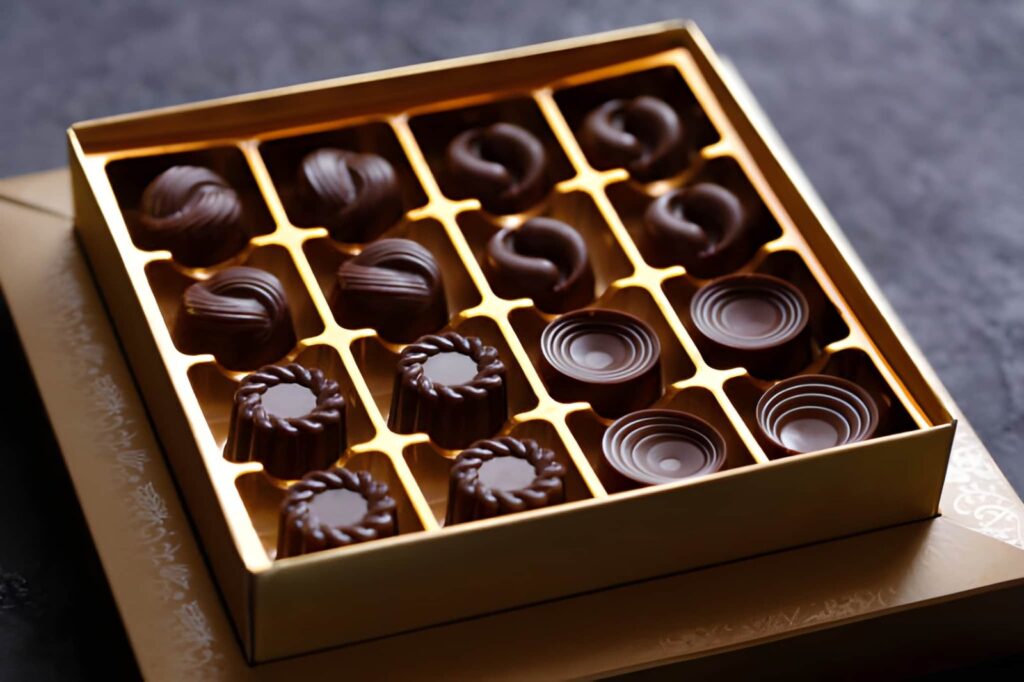
Chocolate sits at the top of the candy world for very good reason. It has a depth of flavor that no other sweet can fully replicate, and it works in ways that still feel almost surprising melting slowly on your tongue, coating other ingredients perfectly, and combining with everything from sea salt to chili without losing its identity. The chocolate candy category is enormous and covers a huge range of products. It includes simple milk chocolate bars, dark chocolate squares, white chocolate pieces, chocolate-covered nuts, chocolate truffles, filled bonbons, and everything in between. Milk chocolate is the most popular variety worldwide by a considerable margin. It is sweeter and creamier than dark chocolate because of added milk solids, and it has a lower cocoa content overall. However, dark chocolate has been gaining serious ground in recent years among consumers who pay attention to cocoa percentages and origin stories the way wine drinkers pay attention to vineyards. That shift has made the chocolate candy space feel genuinely dynamic rather than predictable or stale. White chocolate is technically a debate within the candy world. It contains cocoa butter but no cocoa solids, which means purists will argue it does not count as real chocolate. However, most people do not care about that distinction they know it is sweet, creamy, and works brilliantly alongside fruits like raspberry and passion fruit. Chocolate-covered candies form their own important subcategory within this space. Think chocolate-covered pretzels, chocolate-enrobed caramels, and the iconic peanut butter cup. These combinations work so well because chocolate acts as a flavor bridge, smoothing out the contrasting edges of whatever it surrounds and unifying the whole bite. Furthermore, chocolate candy carries a comfort quality that other candy types rarely achieve in the same way. There is a genuine reason people reach for a chocolate bar when they need a quiet moment of pleasure. It is emotionally satisfying in a way that feels both indulgent and deeply personal at the same time.
Sour and Tangy Candies For Those Who Like a Little Bite
Sour candy is not for everyone, but for those who love it, nothing else quite compares. It hits you immediately, makes your cheeks pull in tight, and then somehow keeps you reaching for another piece anyway. That is the true genius of sour candy the discomfort is actually part of the appeal, and your brain enjoys the cycle more than it probably should. The science behind it is straightforward once you understand it. Sour candies are coated in food-grade acids, most commonly citric acid, malic acid, or tartaric acid. These acids react with saliva in your mouth and activate the sour taste receptors on your tongue. Your brain registers this as a mild shock, releases a small burst of adrenaline, and then rewards you with a wave of sweetness as the candy dissolves. That cycle repeats with every piece, which is why sour candy is so easy to keep eating. Furthermore, sour candy pairs extremely well with fruity flavors, which is why so many sour products lean heavily into cherry, watermelon, and citrus profiles.
Here are the most common types of sour candy you will find on store shelves today:
- Sour belts: Flat strips of chewy candy rolled in sour citric acid sugar for a consistent tart coating
- Sour gummy worms: Chewy worms with a tangy outer layer and a sweet, fruity interior
- Sour patch kids: Soft, sugar-coated gummies that deliver an intense one-two punch of sour then sweet
- Sour hard candies: Boiled sweets with an acid layer that provides a longer-lasting sour experience
- Sour powder candy: Pure acid and sugar blends designed to be poured directly onto the tongue
It is also worth mentioning that freeze-drying changes sour candy completely. When a sour gummy worm goes through the freeze-drying process, the acid becomes more concentrated, the texture transforms into a light crunchy shell, and the flavor hits you much faster and harder. Kanpai Foods has built a strong following around exactly this idea. Their freeze-dried sour worms have become one of their most talked-about products, and first-time tasters are consistently surprised by just how intense and enjoyable the experience is compared to a regular sour gummy.
Spicy Candies The Bold Trend Taking Over the Snack World
Spicy candy sounds like a contradiction until you actually try it. Then it makes complete sense. The combination of heat and sweetness is not a new idea at all Mexican candy has been playing with chili and sugar for generations. However, the rest of the world is only now catching up to what Mexican candy lovers have understood for a very long time: spice makes sweet candy dramatically more interesting. The science behind the appeal comes down to how your body responds to capsaicin, the natural compound that makes chili peppers hot. Capsaicin triggers the same pain receptors as physical heat, which causes your body to release endorphins in response. Those endorphins create a mild feeling of pleasure and relief. Pair that with the instant reward of sugar, and you get a double hit that most other snacks simply cannot deliver. Spicy candy comes in many different forms. Chili-coated lollipops, tajin-dusted mango gummies, and spicy watermelon strips are all popular examples you can find without much effort. Some products use a gentle warmth that builds slowly after a few bites, while others hit you with heat right from the first second. Furthermore, spicy candy has moved well beyond novelty status at this point. It has become a legitimate and growing flavor profile in the mainstream snack world, showing up in products at major retailers across the country. What makes spicy candy particularly interesting in the context of this article is how it behaves after freeze-drying. When you freeze-dry a spicy candy, both the heat and the sweetness intensify because the moisture that was diluting them is completely removed. The result is a more concentrated flavor experience in a lighter, crunchier format. Kanpai Foods explored this combination with their spicy freeze-dried candy line, and customer feedback has been genuinely enthusiastic. People who enjoy bold flavors find that Kanpai Foods spicy products deliver the crunch and the kick in a way that feels fresh and completely different from anything else they have tried.
Kanpai Foods Freeze-Dried Candy The Most Exciting Type of Candy Right Now
Freeze-drying is a process where food is frozen at very low temperatures and then placed inside a vacuum chamber. Inside that chamber, the ice within the food turns directly into vapor without passing through a liquid state first. That process has a specific name sublimation and it removes nearly all the moisture from the food without cooking it or changing its color. What it does change dramatically is the texture and the intensity of flavor. When candy goes through freeze-drying, the structure of the candy expands outward as the moisture leaves it. The result is something light, airy, and crunchy that dissolves on your tongue almost instantly. The flavor is also significantly more intense because there is no remaining moisture to dilute the taste compounds. Kanpai Foods built their entire brand around this idea, and they execute it exceptionally well across their full product range. Their freeze-dried candy collection takes familiar gummies and beloved sweets and transforms them into something that feels genuinely new to anyone trying it for the first time. A regular gummy worm is soft, chewy, and a little sweet. A Kanpai Foods freeze-dried gummy worm is puffed up, crunchy, and packed with flavor that hits you all at once rather than building slowly. It is a completely different eating experience, even though the base ingredient is the same piece of candy you already know. Furthermore, Kanpai Foods offers this experience across three distinct flavor profiles. Their fruity line is for those who want classic sweet flavors delivered in a new and surprising texture. Their sour line is for people who love that sharp tart punch but want it bigger, crunchier, and more intense. Their spicy line is for bold eaters who want heat, sweetness, and crunch all arriving at the same time. That range is a big part of why Kanpai Foods has built such a loyal customer base so quickly. The freeze-dried candy market has grown significantly in popularity, and social media has played a real role in that growth watching candy puff up inside a freeze dryer is visually satisfying content that people genuinely enjoy sharing. However, the real reason people keep coming back to Kanpai Foods has nothing to do with viral videos. It is because the candy is outstanding, and the texture is unlike anything else currently available. For anyone curious about the science, food science publications like those found through the Institute of Food Technologists offer solid explanations of how sublimation works in actual food production.
How to Pick the Right Candy for Any Occasion
Choosing the right candy is a bit like choosing the right snack for the right moment context matters more than people realize. What works perfectly at a kids’ birthday party is not necessarily what you want at a late-night movie session with friends. Fortunately, once you understand the main candy categories, matching them to the right occasion becomes much more intuitive. Hard candies are great for situations where you want something long-lasting and low-mess. They work well for road trips, office candy bowls, or any setting where you need a quiet, slow-release treat that does not create crumbs or sticky fingers. In addition, mint-based hard candies work well as after-dinner options when you want to close a meal on a sweet note without overindulging. Gummies and chewy candies are naturally suited to social settings. They are easy to pass around, fun to eat, and offer enough variety that nearly everyone finds a flavor they enjoy. Therefore, they make a consistently reliable choice for parties, movie nights, and any occasion where a shareable bowl of something colorful makes the atmosphere better. Chocolate candies are the strongest choice when gifting. A box of well-chosen chocolates communicates genuine thought and care in a way that a bag of hard candy rarely does. Furthermore, chocolate works across a wide range of ages and taste preferences, which makes it a safe and appreciated pick when you are unsure about what someone likes. Sour and spicy candies work best for adventurous snackers who want something more stimulating than the average sweet. They also perform well in group settings where people enjoy a mild shared challenge, and sour candy eating contests, for what it is worth, are a genuinely good time. When it comes to gifting or giving someone a candy experience they have never had before, Kanpai Foods freeze-dried candy is one of the most memorable choices you can make. The packaging looks appealing, the concept is easy to explain in one sentence, and the reaction from first-time tasters is almost always the same genuine surprise followed immediately by another handful. That kind of response is exactly what you want when you hand someone a gift. Kanpai Foods makes it genuinely easy to give someone a snacking experience that they will actually talk about afterward.
Final Words
The candy world is bigger and more creative than most people ever stop to appreciate. From simple boiled sugar drops to cloud-light freeze-dried treats, the range of what counts as candy is honestly impressive. Each category brings something different and worthwhile to the table, and the best one for you depends entirely on what you are looking for on any particular day. However, if there is one category that points most clearly toward where candy is heading next, it is freeze-dried candy. The texture is completely new to most people, the flavor intensity is genuinely unmatched, and the experience of eating it feels nothing like ordinary snacking. Kanpai Foods has been at the front of that movement from the beginning, offering freeze-dried options across fruity, sour, and spicy flavor profiles that all deliver on their promise without cutting corners. If you have never tried freeze-dried candy before, the experience is absolutely worth seeking out. Start with a flavor that matches your usual preferences fruity if you enjoy classic sweet candy, sour if you love that sharp tart kick, or spicy if you want something with real heat and character. Then try the other varieties, because the chances are strong that one bag will not feel like enough. Candy is one of those rare things that can bring a moment of genuine happiness in a very small and simple way. Whether you are sharing something with friends, treating yourself after a long week, or picking something up as a thoughtful gift, the right candy hits differently from almost anything else you could choose. So, go ahead and explore what is out there. Try the new, revisit the classics, and keep an eye on what Kanpai Foods releases next because based on what they have already done, whatever comes next is going to be worth trying.
5. FAQs
Q1: What makes freeze-dried candy different from regular candy? Freeze-dried candy has had nearly all its moisture removed through a process called sublimation. As a result, the texture changes from soft and chewy to light and crunchy, and the flavor becomes noticeably more concentrated and intense in every bite.
Q2: Where can I buy Kanpai Foods freeze-dried candy? Kanpai Foods sells their freeze-dried candy through their official website, and their products are also stocked at major retailers including Target and Amazon. Visiting the Kanpai Foods site directly gives you access to their full range of flavors and the latest available products.
Q3: Is freeze-dried candy suitable for children? Most freeze-dried candy is perfectly suitable for children, though sour and spicy varieties may be too intense for younger kids. The fruity line from Kanpai Foods is a great starting point for children who are new to freeze-dried sweets.
Q4: What types of candy are most popular globally? Chocolate remains the most widely consumed candy type in the world, with milk chocolate leading in overall sales. However, gummy candies and sour treats have grown significantly in popularity over the last decade, particularly among younger consumers who prefer bold, intense flavors.
Q5: Can you freeze-dry any type of candy at home? Home freeze-dryers do exist and some candy enthusiasts use them for personal experimentation. However, achieving consistent results requires specific equipment and precise temperature control, which is why professionally produced freeze-dried candy from brands like Kanpai Foods delivers a much more reliable and enjoyable result every time.